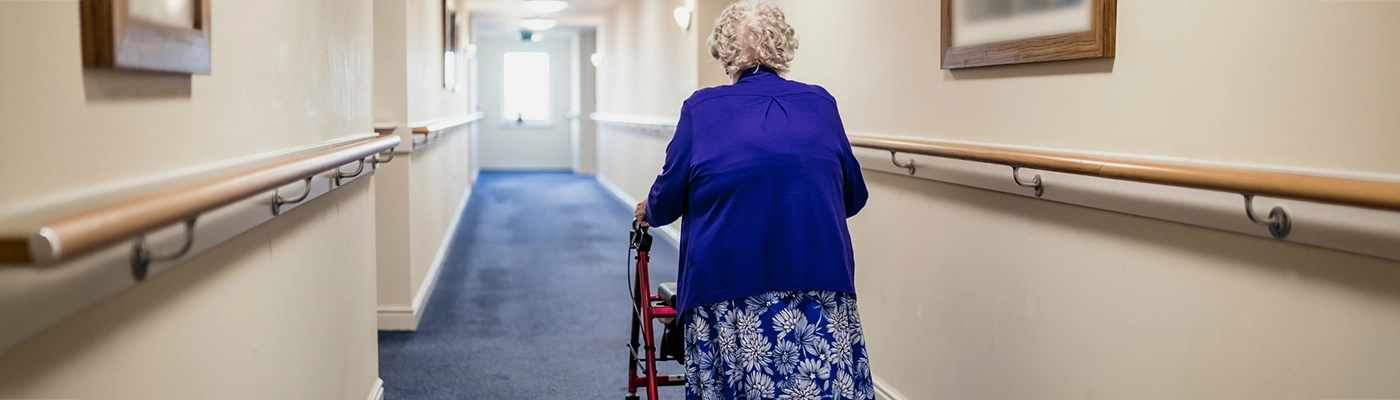
Walking with purpose is a common behaviour among people living with dementia and can present significant challenges for care providers. Supporting residents’ freedom and independence while ensuring their safety requires the right balance of care, observation and technology.
Unsupervised movement can increase the risk of residents entering unsafe areas, leaving designated environments or requiring additional support. For care teams, this can place pressure on staffing resources and make it more difficult to maintain a safe, responsive and person-centred care environment.
Around 60% of people living with dementia walk with purpose at least once, with many experiencing repeated episodes.1
In a UK study of police-recorded missing incidents, 14.5% of people with dementia who were reported missing went missing more than once.2
With around 60% of people living with dementia experiencing walking with purpose behaviours, care providers need effective ways to balance resident independence with safety. Technology-enabled monitoring and alerting solutions can help staff identify potential risks earlier, respond more quickly and support residents in a way that respects dignity and freedom of movement.
- https://www.alz.org/help-support/caregiving/stages-behaviors/wandering
- Orgeta V et al. Characteristics of missing incidents and risk factors for harm for older people with and without dementia in the UK. Age and Ageing, Volume 55, Issue 5, May 2026, afag130. Retrospective analysis of records from two police forces in England and Wales between 2015 and 2021.
Research paper
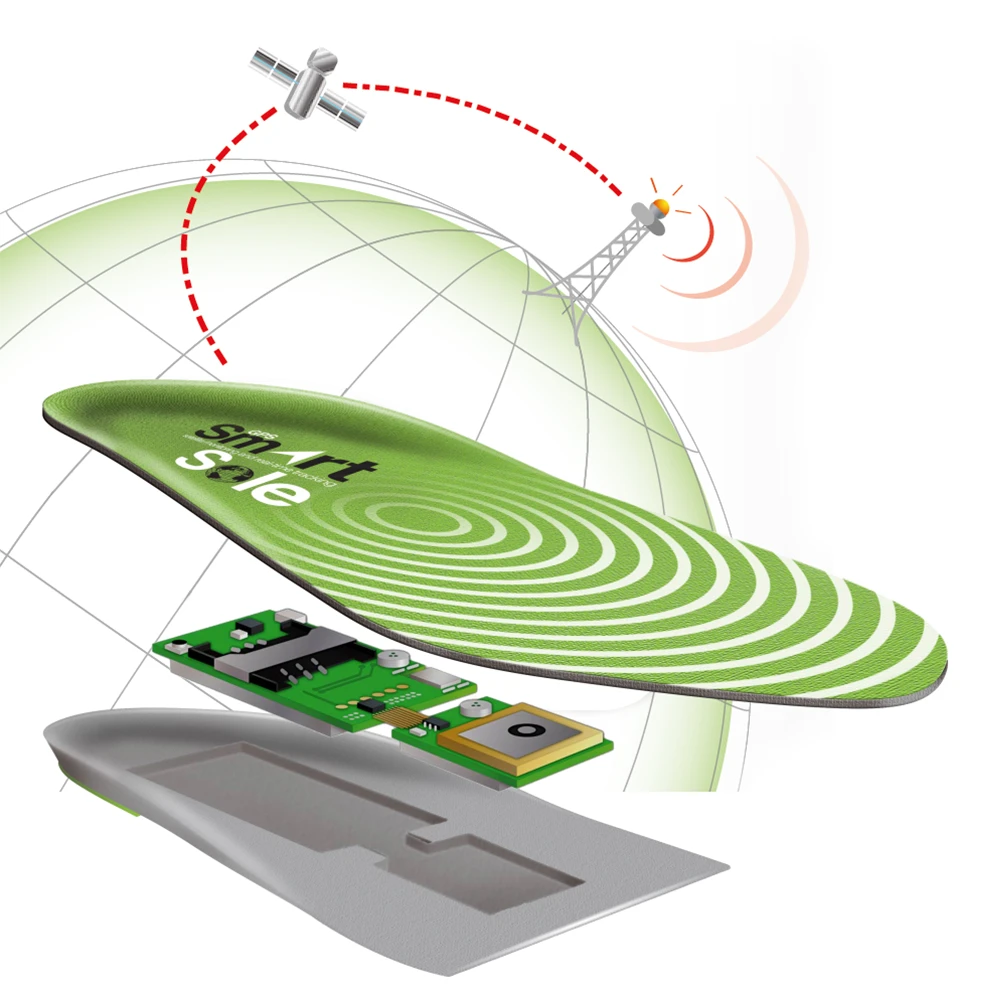
Telecare solutions such as GPS tracking can help reduce the risk to vulnerable adults, reduce pressures on emergency services and support family and carers care for people living with dementia
Wandersafe
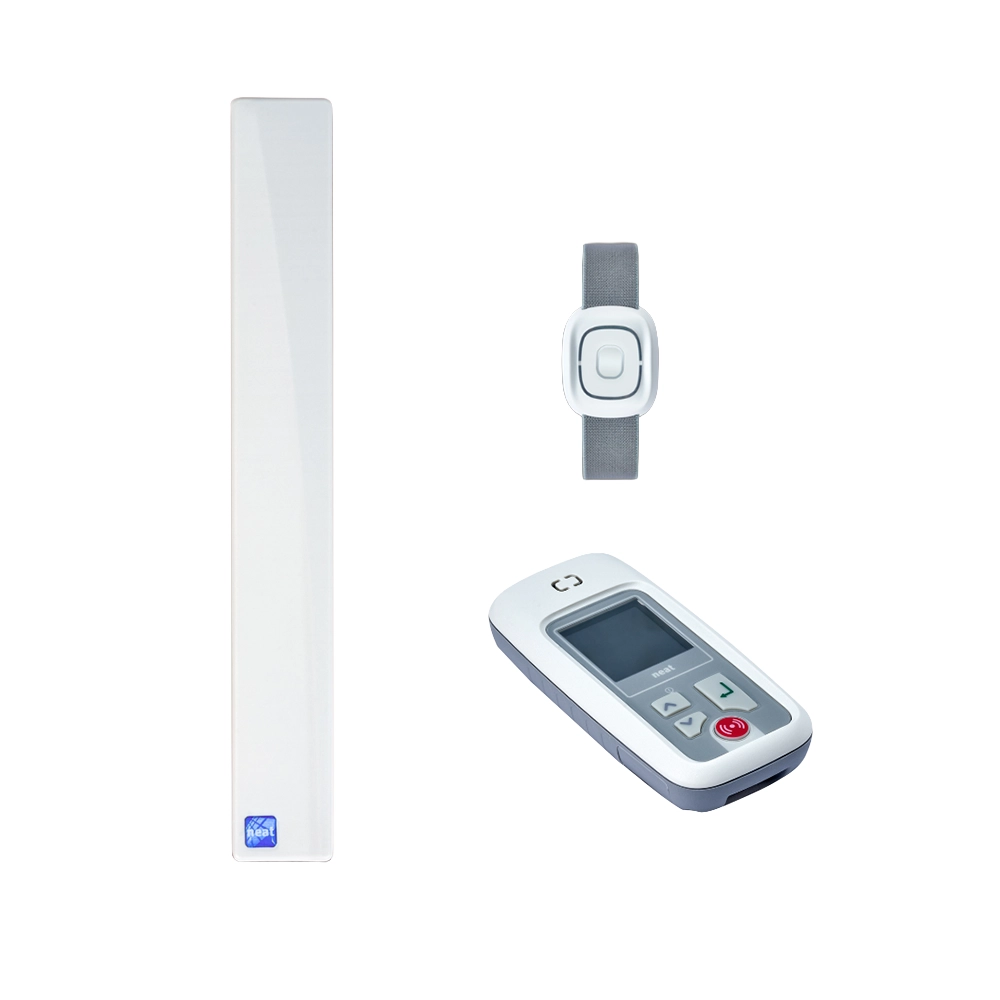
Using discreet sensors in key areas such as doorways and exits, this solution monitors when a person at risk moves into unsafe spaces. It provides targeted alerts to care staff without impacting other residents, supporting independence, freedom, and person-centred care while helping to reduce unnecessary restrictions.
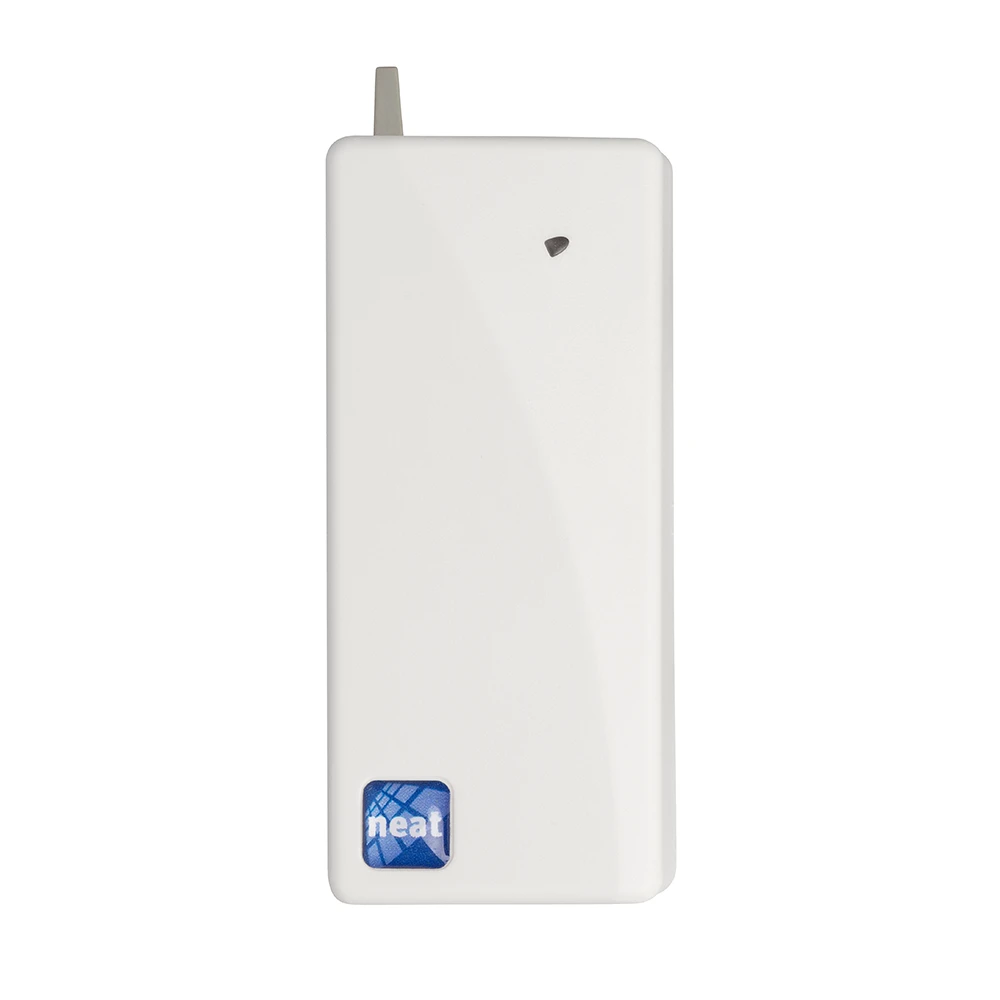
Door / Window Alarm Sensor
A door alarm in residential care uses sensors to monitor when a door is opened or left ajar. When triggered, it sends an alert directly to a pager, enabling carers to respond quickly. This helps protect residents who may be at risk of wandering, while supporting a safe and secure environment without restricting independence.