

Dementia related unaccompanied or unsupervised walking can sometimes lead to risk if a person becomes disoriented, exposed to unsafe environments, or unable to access help when needed. It can also place additional emotional and physical pressure on carers, who work hard to ensure safety and wellbeing.
However, it’s important to recognise that this movement is often purposeful and rooted in a person’s needs, emotions, or lifelong habits.
Dementia Wandering may arise from:
A need for reassurance or comfort
seeking familiar people, places, or routines.
Restlessness or excess energy
a natural desire to move, stay active, or maintain lifelong habits.
Attempts to fulfil past roles
such as “going to work”, checking on family, or completing routines that once structured their day.
Disorientation or confusion about time or place
leading to movement intended to make sense of surroundings.
Unmet physical needs
such as hunger, thirst, pain, the need to use the toilet, or discomfort.
Environmental triggers
noise, clutter, overstimulation, or lack of meaningful engagement prompting movement as a coping strategy.
Emotional responses
including anxiety, boredom, loneliness, or frustration.
Effects of memory loss
forgetting instructions, forgetting they are in a safe space, or losing track of why they started moving.
Search for autonomy
maintaining a sense of independence, control, or personal agency.
Around 60% of people living with dementia wander at least once, with many experiencing repeated episodes. 1
Over three quarters (78%) of people with dementia in the data set had gone missing from their own homes. 2
With nearly two-thirds of people with dementia likely to experience purposeful walking, it’s a widespread concern.
By understanding the reasons behind purposeful walking, carers and professionals can respond with empathy, provide appropriate support, and create safer, more reassuring environments for people living with dementia.
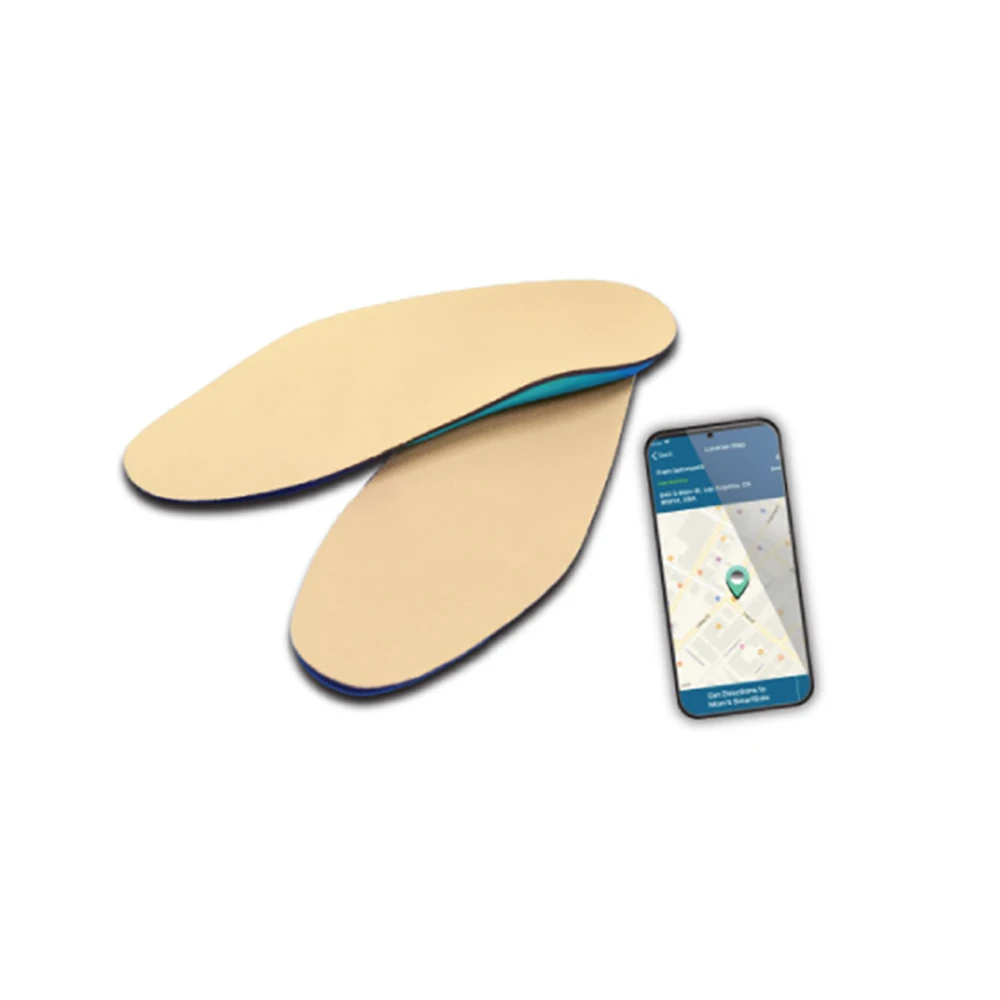
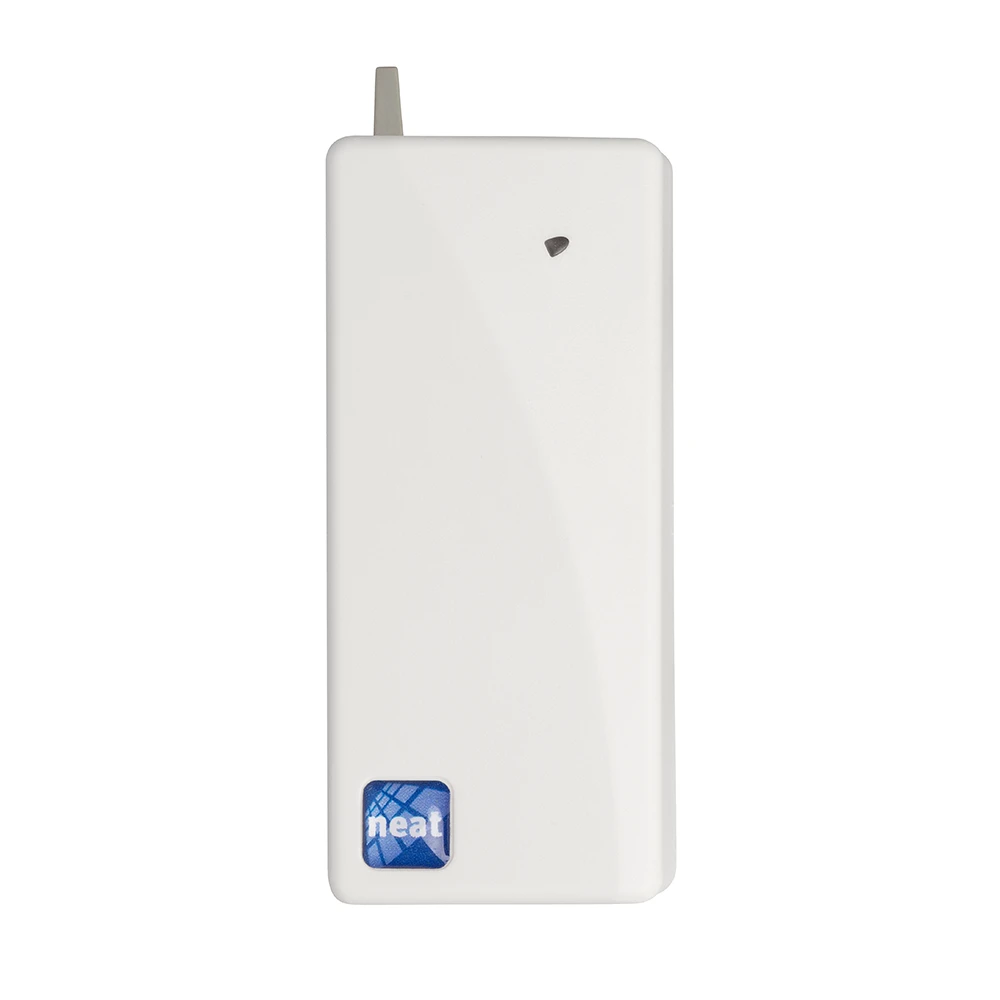
GPS SafeSole
Formerly known as the SmartSole GPS, SafeSole combines advanced GPS location technology with a discreet insole design, making it ideal for individuals who may be at risk of walking with purpose or becoming lost. Unlike traditional GPS devices that can feel stigmatising or be forgotten at home, SafeSole is hidden inside an everyday shoe, providing a truly unobtrusive solution that users can wear naturally as part of their daily routine.

Trusted Guidance & Support Resources
Early preparation and the right information can make a critical difference when purposeful walking occurs. These trusted organisations offer practical advice, proven protocols, and expert insight to help reduce risk, improve response times, and support people living with dementia and those who care for them.